

















Introduction
In a world that moves at a relentless pace, the idea of carving out time for mental well-being can feel overwhelming. Many people wonder how to improve mental health without adding another major task to their to-do list. The good news is that significant improvements don’t always require significant time. Research reveals a surprising truth: even five to ten minutes of focused, positive activity each day can create a noticeable shift in one’s emotional state. This article offers a guide for beginners, exploring simple, proven daily habits that serve as the building blocks for stronger mental health and overall well-being. These are not drastic overhauls but small, manageable steps anyone can take to feel better, starting today.
Why mental health matters for overall well-being
Mental health is a fundamental component of a person’s overall health, influencing how one thinks, feels, and handles life’s challenges. It’s not merely the absence of illness but a state of well-being that allows individuals to realize their potential, cope with normal stresses, and contribute to their community. The connection between mental and physical health is undeniable. For instance, chronic stress can manifest in physical symptoms, and conversely, physical ailments can impact one’s emotional state. In the United States, this interplay is particularly evident. A striking 70% of Americans report that financial anxiety negatively impacts their health, yet barriers like cost and access mean only a fraction of those experiencing distress seek therapy. This highlights the critical importance of mental health; when it flourishes, people experience greater resilience, improved relationships, and enhanced productivity.
How to improve mental health with micro-acts of joy

One of the most accessible ways to boost mood is through ‘micro-acts of joy’—brief, intentional activities that cultivate positive emotions. It’s a simple concept with powerful backing. A study by UCSF and UC Berkeley, known as the Big Joy Project, found that participants who engaged in just 5-10 minutes of joyful activities daily for one week reported improved happiness and lower stress levels. The key is consistency. Someone new to this might wonder where to start. Here are a few simple micro-acts to try:
- Gratitude Journaling: Spend five minutes writing down three things that went well during the day.
- Savoring a Moment: Mindfully enjoy a cup of coffee or tea, focusing on the warmth, smell, and taste.
- Acts of Kindness: Send a thoughtful text message to a friend or offer a genuine compliment to a colleague.
- Noticing Beauty: Pause to appreciate something in nature, like the color of the sky or the shape of a leaf.
- Listening to an Uplifting Song: Put on a favorite track and allow the music to elevate the mood.
A helpful prompt to start with is simply asking: what is one small joy I can notice or create right now?
How to improve mental health through movement and exercise
The link between physical movement and mental clarity is well-established. Exercise prompts the release of endorphins, which act as natural mood elevators. But it doesn’t require an intense gym session to reap the benefits. According to the American Psychological Association, moderate exercise can reduce symptoms of depression by approximately 20-30%. For beginners, the focus should be on gentle, consistent movement. A brisk 10-minute walk, especially in the morning, can help regulate circadian rhythms and boost energy for the day. Other simple options include stretching while listening to a podcast or having a short dance break to a favorite song. The goal is to find an enjoyable activity and integrate it into a daily routine, making it feel less like a chore and more like a welcome pause.
How to improve mental health via mindfulness and digital detox
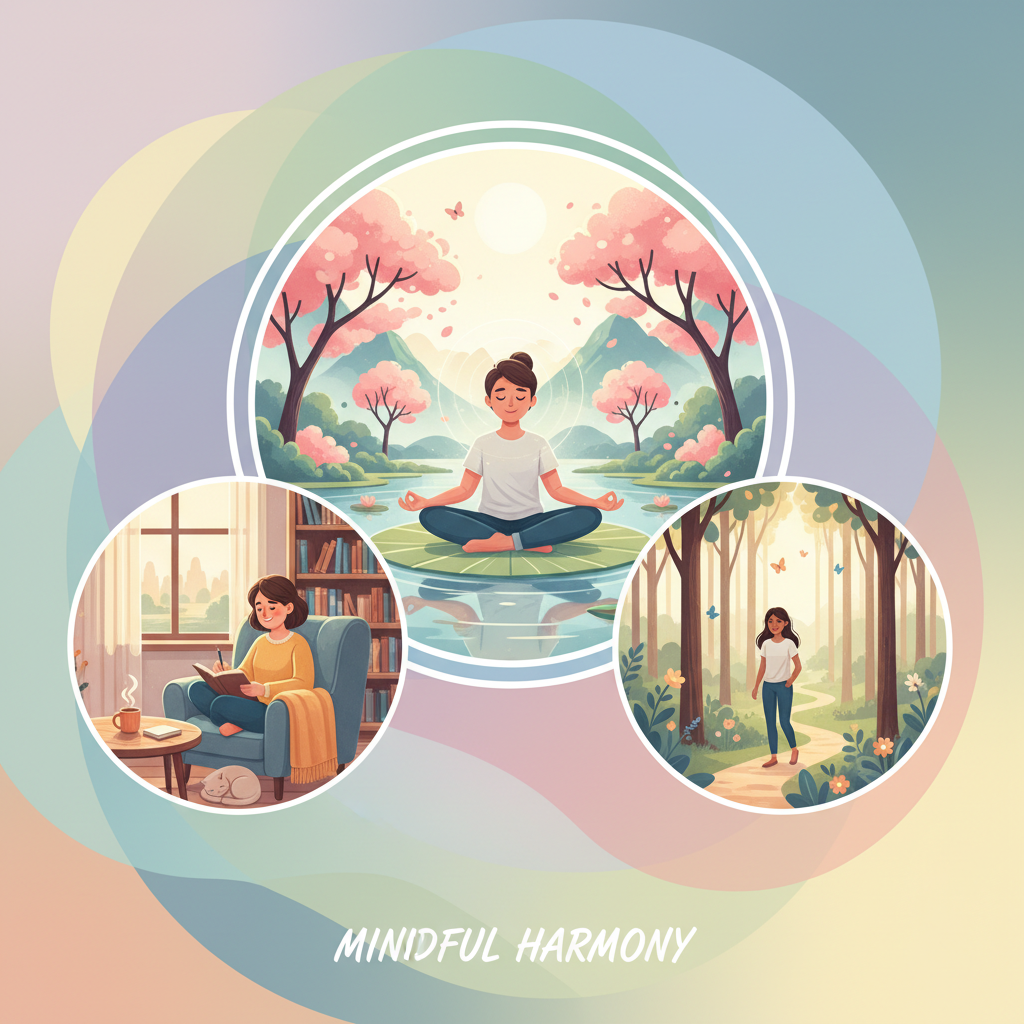
In an age of constant digital stimulation, creating moments of quiet is essential for mental balance. Mindfulness is the practice of paying attention to the present moment without judgment. Even five minutes of practice can reduce stress and improve focus. A simple starting point is a breathing exercise: sit comfortably, close the eyes, and focus on the sensation of the breath entering and leaving the body for three to five minutes. Complementing mindfulness with a digital detox can amplify its benefits. Constant scrolling and notifications often fuel anxiety. A ‘digital sunset’—powering off devices an hour before bed—can dramatically improve sleep quality and reduce mental clutter. One could start by choosing one app-free hour each evening and simply noticing how it feels to be disconnected, perhaps replacing that time with reading or quiet reflection.
How to improve mental health with sleep and self-care rituals
Sleep is a cornerstone of good mental health. During sleep, the brain processes emotions and solidifies memories. Adults are recommended to get 7–9 hours of sleep per night for optimal cognitive function and emotional regulation. Establishing strong sleep hygiene is a powerful form of self-care. This includes:
- Maintaining a consistent sleep and wake schedule, even on weekends.
- Creating a cool, dark, and quiet bedroom environment.
- Avoiding screens for at least 30 minutes before bed.
Beyond sleep, small self-care rituals can signal to the body and mind that it’s time to unwind. This could be as simple as brewing a cup of herbal tea, spending five minutes journaling about the day, or engaging in a creative hobby. These acts of self-kindness are not indulgences; they are necessary practices for building resilience and maintaining emotional balance.
How to improve mental health using nature and technology tools
Connecting with the natural world has a proven calming effect. Studies show that spending just 10–20 minutes in nature daily can reduce levels of the stress hormone cortisol. For those with limited access to outdoor spaces, bringing nature indoors by adding a small plant to a workspace or sitting near a window with natural light can also improve mood. In a modern twist, technology itself can be a powerful ally. The rise of AI mental health apps and teletherapy platforms has made support more accessible than ever. Many apps offer guided meditations, mood tracking, and cognitive behavioral therapy (CBT) tools at low or no cost, providing a private and convenient starting point for anyone looking to understand their emotional patterns better.
Conclusion and next steps
Learning how to improve mental health is a journey of small, consistent steps rather than a single giant leap. By integrating 5-minute habits—from micro-acts of joy and mindful movement to digital detoxes and better sleep—anyone can build a supportive wellness ecosystem for themselves. The key is to start small, choosing just one practice to try this week. Progress, not perfection, is the goal. Each small effort is a meaningful investment in long-term well-being and resilience. Remember, every step counts toward a healthier, more balanced life. For those seeking further guidance, it is always a good idea to reach out to professionals. Contact us for more information on how to continue your journey toward mental wellness.